

Quick answer Measure the complete items you intend to carry, including covers and protruding parts. Compare them with the case’s internal dimensions, then check the opening, corners and space needed for the lid to close. Finally, measure the pocket or bag compartment where the loaded case will live.
A case can be the right size on paper and still be annoying to use. The object fits inside, but only diagonally. The lid closes if you press a little harder. The case fits a coat pocket until you sit down. These are fit problems that product photographs rarely answer.
Three separate measurements matter: the usable space inside, the opening you have to pass through, and the space the closed case occupies in your bag. Treat them as separate checks rather than assuming a single set of dimensions covers all three.
Measure the complete item
Lay out what you actually intend to pack. Include the cap, sleeve, attached ring or connector that stays with each object. A short adapter may become considerably longer once its protective cover is included, and that cover may be important to keeping it in good condition.
Use a ruler for simple shapes and note the longest, widest and thickest points. If a flexible item will be folded, use its normal relaxed shape. Do not base the measurement on a bend that strains a cable or leaves an object under pressure.
Distinguish outside size from inside space
External dimensions tell you how much room a case takes up. They do not tell you how much room remains inside after the walls, base and lid are accounted for. A thick-walled case can have noticeably less usable space than its outer shape suggests.
Look for an internal drawing or clearly labelled interior measurements. If a listing does not identify which dimensions it gives, ask the seller. Guessing from a photograph is especially unreliable when several similarly styled models appear on the same page.
Allow room for the closure
The full height of an empty case may not be available once the lid is in place. Overlapping parts, internal lips and seals can occupy some of that space. An item that stands above the base may be pushed down when the case closes.
Leave clearance around the sealing area. The contents should not touch a gasket, sit in a thread or force the lid out of line. If closing requires pressure against the item rather than normal pressure on the closure, reconsider the fit.
Check corners and the opening
Rounded corners reduce usable space for rectangular objects. An item that matches the case’s maximum width may not fit lower down, and an opening can be narrower than the chamber beneath it. These details matter when the fit is close.
Consider removal as well as insertion. You need enough space for your fingers or a suitable grip to lift the item out. A tight fit that relies on turning the case upside down may be inconvenient if other small belongings are packed beside it.
Test the arrangement as a group
Several objects can fit individually but fail to fit together. Set them out in the intended arrangement and measure the group. Include any sleeves, dividers or small holders needed to prevent surfaces rubbing together.
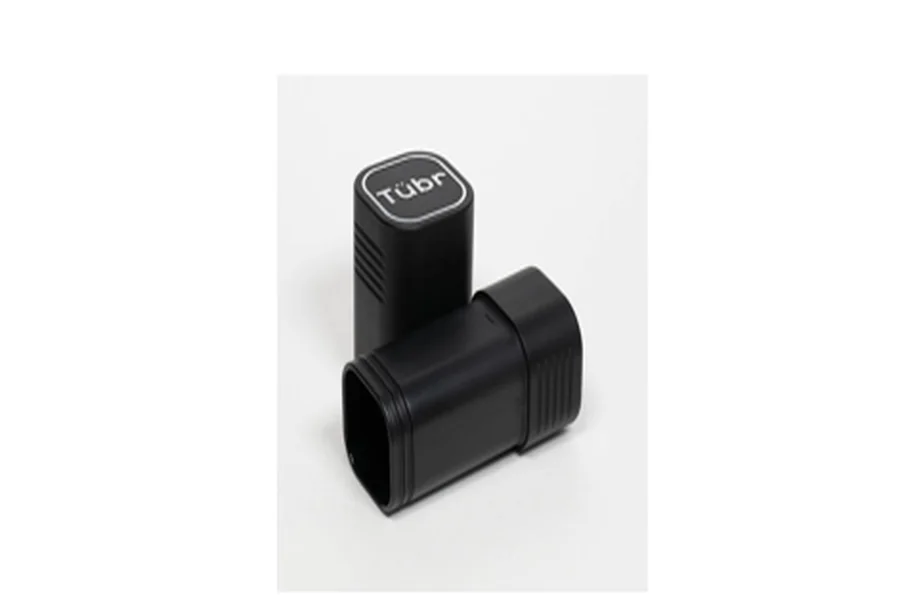
A product such as the Tübr Stash storage case provides a real listing to compare with that arrangement. Use its current interior specifications and check the exact model rather than borrowing dimensions from another case in the range.
Use a paper mock-up for the outer size
A folded paper outline can help you judge the footprint in a bag pocket. Add the listed depth using a small cardboard box or stack of folded paper. This will not reproduce the weight or shape perfectly, but it makes the advertised dimensions easier to picture.
Try the pocket with the rest of the bag packed normally. Check that the zipper closes without strain and that the container does not press awkwardly against another object. Leave space to reach in and remove it instead of measuring only whether it can be pushed inside.
Consider how you will carry it
A jacket pocket, trouser pocket and backpack compartment behave differently. A case comfortable in one can be bulky in another. Consider its position when sitting, bending or carrying the bag against your body rather than checking fit only while standing still.
The loaded weight matters too. An empty case can feel unobtrusive, then become less comfortable once filled with metal accessories. Reduce the contents if necessary, or move the case to a bag compartment that supports it better.
Recheck before committing the kit
When the case arrives, make the first trial indoors with clean, compatible items. Open and close it normally, check for pressure marks and confirm that everything comes out easily. Follow the seller’s return terms and avoid testing it in a way that damages the product.
If the fit is wrong, choose a different size or a different arrangement. Forcing the closure or removing protective covers to make things fit defeats the purpose of organizing them. A little unused space is often more practical than a perfect-looking but difficult fit.
Record which measurements the seller provides
Save the product drawing or write down the dimensions you used for the decision. Label each one as internal or external. This is helpful when two similar models have nearly identical names, or when you compare listings on different retailers’ websites.
If you ask the seller a question, describe the complete item and the particular uncertainty, such as lid clearance or the width of the opening. A clear question is more useful than asking whether the case is a suitable size in general. Keep the reply with your measurements so you can compare the delivered product with the same assumptions you used before buying.
Frequently asked questions
Can I estimate internal space from the outer dimensions
Only very roughly. Wall thickness, lid overlap and corner shape vary. Use clearly identified internal measurements or ask the seller when the fit matters.
Should I choose the smallest possible case
Choose one that fits the contents comfortably, closes normally and leaves room to remove things. The smallest theoretical fit is not always the easiest everyday fit.
What if the listing only gives capacity
Capacity describes volume, not the shape of the available space. A long item may not fit a container with sufficient total volume. You still need the interior length, width and depth.
