

Introduction
A child’s education begins long before the first day of school. Everyday conversations, family activities, encouragement, and positive experiences all contribute to how children understand the world. While teachers provide formal instruction, parents play an equally important role in shaping a child’s attitude toward learning. Understanding How Parents Support Child Education helps families create a strong foundation for academic achievement and personal development. Children who receive consistent support at home often feel more confident asking questions, facing challenges, and developing new skills. Parental involvement does not mean completing schoolwork for children or expecting perfect grades. Instead, it means providing guidance, showing interest, and creating an environment where curiosity and learning are valued. Small actions can make a lasting difference.
Creating a Positive Learning Environment at Home
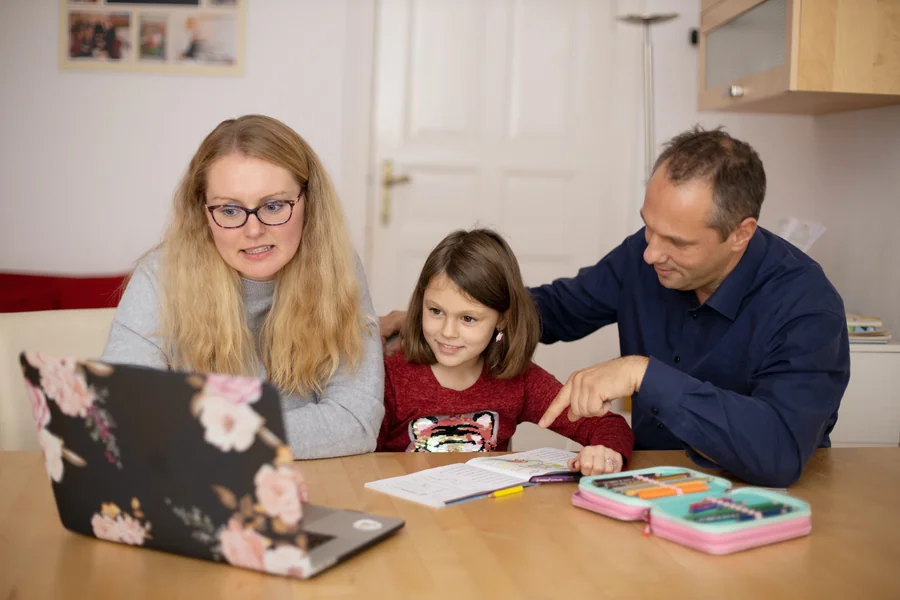
A comfortable home environment can help children develop healthy attitudes toward education. Parents can create a regular study area with suitable lighting, basic supplies, and limited distractions. The space does not need to be large or expensive; it simply needs to help children concentrate. Establishing a consistent study routine can also make homework and reading easier to manage. Parents should consider their child’s age, school schedule, and individual needs when setting expectations. Younger children may benefit from short learning sessions, while older students may prefer longer periods of independent study. A calm atmosphere is important because constant pressure can make education feel stressful. Families can also encourage learning through everyday activities such as cooking, reading instructions, discussing news, or solving simple problems together.
Encouraging Reading and Curiosity
Reading is one of the most valuable habits parents can encourage. It improves vocabulary, communication, imagination, and understanding while supporting performance across different school subjects. Parents can read stories with younger children, visit libraries, or provide books that match their children’s interests. Older children may enjoy novels, biographies, science articles, and informative online content. Resources such as replycorner can also complement a child’s broader learning routine when parents help select suitable reading materials. Curiosity should be encouraged alongside reading. When children ask questions, parents can listen patiently and explore answers together instead of dismissing their interests. Simple discussions about nature, history, technology, or everyday experiences can turn ordinary moments into learning opportunities. This approach helps children see education as something enjoyable and relevant beyond school.
Communicating With Teachers and Schools
Strong communication between parents and teachers helps children receive consistent guidance. Teachers understand classroom performance, learning progress, and areas where students may need additional support. Parents can contribute by attending meetings, reviewing school updates, and asking questions when something seems unclear. If a child struggles with a particular subject, discussing the issue with the teacher can help identify practical solutions. Regular communication also allows parents to understand classroom expectations and important school activities. However, these conversations should remain respectful and focused on the child’s development. Parents should share relevant information about changes at home that may affect learning, while teachers can explain how the child participates in class. When families and schools work together, children are more likely to receive coordinated support and encouragement.
Building Confidence, Motivation, and Independence
Children need encouragement to develop confidence in their abilities. Parents can support this process by recognizing effort, patience, improvement, and responsible behavior rather than focusing only on examination results. When children make mistakes, adults should treat them as opportunities to learn instead of reasons for punishment or embarrassment. Asking children what they found difficult and how they might approach it differently can develop problem-solving skills. It is also important to give children age-appropriate responsibilities. Allowing them to organize school materials, plan study time, and complete homework independently teaches accountability. Parents can offer help when needed without taking control of every task. This balance helps children become more independent and prepared to manage academic responsibilities as they grow older.
Supporting Emotional and Social Development
Academic success is closely connected to a child’s emotional and social well-being. Children may find it difficult to concentrate when they feel anxious, isolated, overwhelmed, or unsupported. Parents can help by listening carefully, recognizing emotional changes, and creating opportunities for honest conversations. Asking about friendships, classroom experiences, and daily challenges shows children that their feelings matter. Families should also encourage healthy sleep, physical activity, balanced meals, and time for relaxation. These habits support concentration and general well-being. Social activities such as sports, group projects, music, and community events can help children develop teamwork, communication, and empathy. Parents should remember that every child develops differently. Comparing children with siblings or classmates can create unnecessary pressure, while celebrating individual progress builds a healthier foundation for growth.
Final Thought
Parents have a lasting influence on how children approach education, handle challenges, and develop confidence in their abilities. A supportive home environment, regular reading, communication with teachers, and encouragement of independence can all strengthen a child’s learning journey. Emotional well-being is equally important because children need to feel safe and valued before they can fully engage with educational activities. Effective parental involvement does not require expensive resources or constant supervision. It grows through everyday actions, including listening, asking questions, showing interest, and recognizing progress. Every family has different circumstances, so the best approach is one that responds to the child’s individual needs. When parents and educators work together, children gain stronger support for academic achievement and lifelong learning.
FAQs
Why is parental involvement important in child education?
Parental involvement provides encouragement, guidance, and support that can improve children’s confidence, learning habits, and academic development.
How can parents help children with homework?
Parents can provide a quiet study space, explain difficult concepts, encourage independent effort, and help children manage their time.
How can parents encourage children to read more?
They can provide interesting books, read together regularly, visit libraries, and discuss stories or topics that children enjoy.
Should parents communicate regularly with teachers?
Yes, regular communication helps parents understand academic progress and work with teachers to address learning challenges.
How can parents motivate children who struggle in school?
Parents can recognize small improvements, offer patient guidance, set realistic goals, and avoid comparing children with others.
What role does emotional support play in education?
Emotional support helps children feel secure, manage stress, develop confidence, and remain engaged with learning.
How can parents encourage independent learning?
They can teach children to organize study materials, manage assignments, solve problems, and take responsibility for age-appropriate tasks.
