

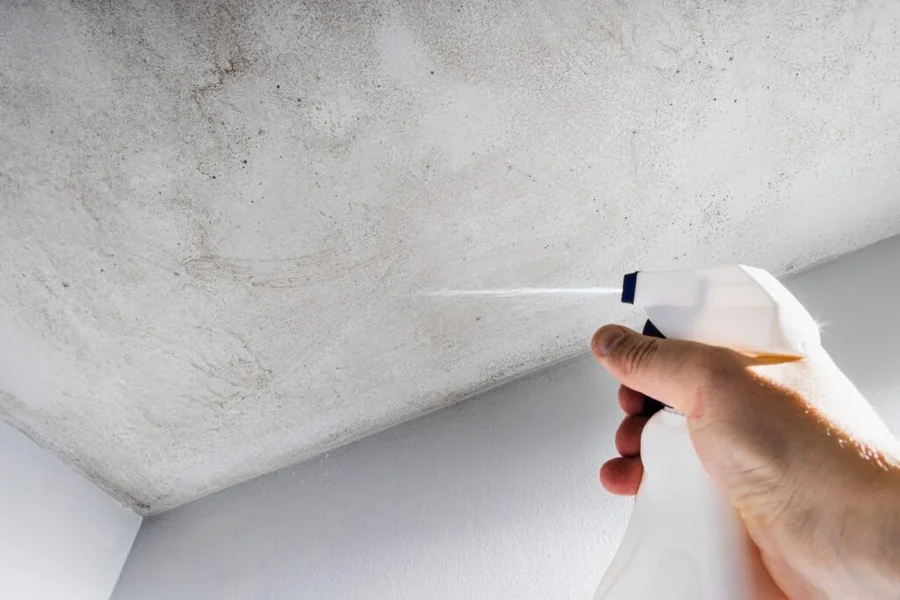
Bathrooms, in themselves, are an ideal place to develop molds. Hot weather, humidity, and lack of ventilation are all a problem. When hot showers evaporation results in the creation of steam, it condenses and remains on the ceiling, creating moisture on which molds thrive.
Unless this moisture is adequately ventilated or dried, the spores of the mould start to settle or develop. As time goes by, initially small black or green dots may extend to larger sizes. Not only does this look unappealing, it may also have an impact on the quality of air and it may lead to health complications.
Before attempting to rid the house of mold, it is important to know the cause of the issue. Otherwise, it is likely to reoccur even after cleaning.
Equipments and Supplies You will need Before Cleaning
Before you begin the cleaning process, it’s important to gather the right tools. The correct type of equipment will save you exposure as well as make the job easier.
You will require some basic cleaning equipment like a mask, safety goggles, gloves, spray bottle and a strong ladder. In the case of cleaning solutions, one can resort to such common household products as vinegar, baking soda, hydrogen peroxide or a mild bleach solution.
Ensure that the bathroom is well-ventilated. Open all the windows or activate the exhaust fan in order to minimize the amount of mold spores in the air.
Instructional Guide on how to remove the mold on a bathroom ceiling step-by-step
Begin by securing you. Wear gloves, mask and eye protection to prevent direct contact with mold and cleaning chemicals. Mold spores are capable of causing irritation to your respiratory system and skin, hence safety first.
The next step is to prepare your cleaning solution. A combination of water and white vinegar is popular and natural. Spray onto the spots that are affected on the ceiling. Allow approximately 10-15 minutes to allow it to dissolve the mold.
Then, rub the part softly with a sponge or a brush. Do not make it too abrasive because it may destroy the paint or the ceiling surface. After the mold is eliminated, wipe it down with a wet cloth.
Lastly, dry the ceiling. Mold is primarily due to moisture, so the key to avoiding regrowth is to ensure the surface is totally dry. You may have the fan or keep the bathroom flowing to dry faster.
Natural vs Chemical Cleaning Processes
You can use natural solutions or chemical cleaners when determining how to clean mold. Both have their pros in accordance to your circumstances.
More natural processes, such as vinegar and baking soda, are less harmful when having children or pets. They are also environmental friendly and can be used in light to moderate mould. Specifically, vinegar also has antifungal effects and can be used to eliminate the mold roots.
Chemical cleaners (bleach-based solutions) are more powerful and will act quicker with persistent mold. Nevertheless, they contain powerful fumes and can cause damages to some surfaces, unless handled with care.
In case of an intensive problem with the mold a chemical solution may be required. In the case of smaller territories, the natural solutions are most often adequate and less dangerous in a common usage.
Avoiding Recurrence of Mold
It is not enough to eliminate mold. It is also important to prevent its reoccurrence. Begin by making your bathroom better ventilated. Install exhaust fan during and after showers to lower the level of humidity.
It is also possible to leave the door of the bathroom open after use to get fresh air circulating in. Wherever feasible, a dehumidifier should be installed in order to maintain the amount of moisture.
The other useful tip is to wipe down the walls and ceiling at regular intervals particularly when you find that there is condensation on the wall. Mold-resistant paint can also be used to provide an additional hedge.
Consistency is key. With regular maintenance, your bathroom ceiling will be clean and free of molds.
When a Professional is called
Mold issues are sometimes not a simple DIY affair. When the mold is already big or recurring even after cleaning it, then it is time to seek the services of an expert.
Special tools and skills to clean mold are available to professionals. They are also able to detect concealed problems, like leaks or structural problems, which might be resulting in the mold.
When you find the strong musty smell, or when you develop an allergy it is an indication that the mold issue could be worse than it is presenting.
Final Thought
Learning to address the problem of mold can save you time, money, and stress. Learning How To Get Mold Off Bathroom Ceiling is not only about cleaning but also about learning how to prevent the problem in the future by understanding its cause and taking the necessary measures to cure this situation.
Using the appropriate equipment, techniques, and routine cleaning, you can maintain a clean, fresh and safe bathroom. Regardless of whether you opt to use natural solutions or even stronger cleaners, consistency and taking care of moisture is the main thing.
FAQs
- What is the fastest way to remove mold from a bathroom ceiling?
Using a bleach-based cleaner can remove mold quickly, but natural options like vinegar are safer and still effective for most cases. - Is it safe to clean mold yourself?
Yes, for small areas. Just make sure to wear protective gear and keep the space well-ventilated. - How often should I clean my bathroom ceiling to prevent mold?
A light cleaning once a month and regular ventilation can help prevent mold buildup. - Can mold on the ceiling affect health?
Yes, mold can cause allergies, respiratory issues, and irritation, especially for sensitive individuals. - Why does mold keep coming back after cleaning?
Mold returns when moisture is still present. Improving ventilation and reducing humidity are essential to prevent regrowth.
