

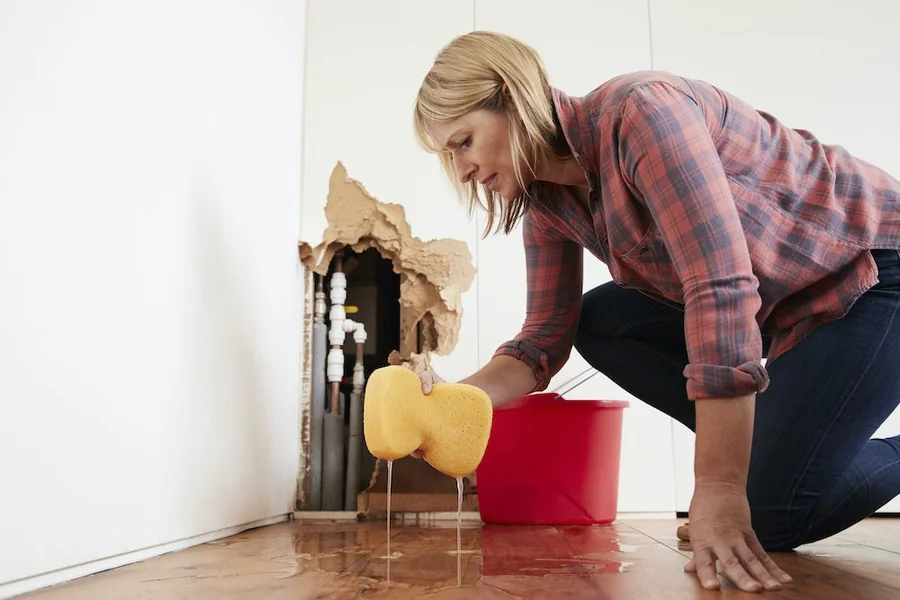
Slab leaks are one of the most disruptive plumbing issues a homeowner can face. These leaks occur when water pipes beneath a house’s concrete foundation begin to fail, often without immediate visibility. The hidden nature of slab leaks makes them particularly dangerous, as they can cause significant damage before they are detected. Homeowners may notice higher water bills, damp spots on floors, or the faint sound of running water without explanation. Addressing slab leaks promptly is crucial because they can undermine structural integrity, damage personal property, and create conditions conducive to mold growth. We will explore the common causes of slab leaks and how they affect your home, helping you understand the underlying problems and potential impacts.
Aging Plumbing Materials
One of the primary causes of slab leaks is aging plumbing infrastructure. Over time, copper, galvanized, or PVC pipes can deteriorate due to prolonged exposure to water pressure, chemical reactions, or natural wear and tear. Copper pipes, for instance, may corrode from the inside, leading to pinhole leaks that gradually worsen. Galvanized pipes can experience rust buildup, which weakens the pipe walls and increases susceptibility to cracking. PVC pipes, while resistant to corrosion, can become brittle and fracture under shifting soil conditions or pressure fluctuations.
Homeowners working with a Peoria HVAC contractor often notice that plumbing and heating systems are interconnected, and aging pipes can indirectly affect HVAC efficiency. As pipes age, the likelihood of leaks increases, and these failures are often exacerbated by fluctuating water pressure, frequent usage, and mineral buildup inside the pipes. Aging materials require vigilant monitoring, as even small leaks can escalate into costly structural damage beneath the slab.
Soil Shifts and Foundation Movement
The stability of a home’s foundation is directly linked to the risk of slab leaks. Soil movement, often caused by droughts, heavy rainfall, or changes in underground water tables, can place stress on pipes embedded in concrete slabs. Expanding clay soils are particularly problematic because they expand when wet and contract when dry, exerting pressure on plumbing lines. Similarly, seismic activity or nearby construction can cause subtle shifts in the foundation, leading to pipes bending or cracking over time. When concrete cracks or shifts, it can damage the pipes it encases, leading to leaks that are difficult to detect until significant damage occurs. Regular foundation inspections and awareness of soil conditions around the property can help mitigate the risk of slab leaks caused by structural movement beneath the home.
High Water Pressure and Temperature Changes
Water pressure plays a critical role in the longevity of plumbing systems under concrete slabs. Excessively high water pressure can strain pipe joints and connections, eventually causing small leaks or bursts. Pipes are also sensitive to temperature fluctuations. Hot water lines, in particular, are prone to thermal expansion, which can stress both the pipes and the surrounding concrete. Repeated cycles of heating and cooling may weaken joints and create microfractures that develop into leaks over time. Pressure regulators and routine monitoring of water pressure can help prevent damage, but homeowners often remain unaware of these contributing factors until a leak becomes evident. Understanding the relationship between water pressure, temperature, and pipe durability is essential for preventing hidden plumbing issues beneath the foundation.
Corrosion and Chemical Damage
Chemical reactions inside the pipes or from external soil conditions can also lead to slab leaks. Corrosion occurs when metal pipes react with water, oxygen, or minerals, gradually eroding the pipe walls. Acidic or highly mineralized water accelerates this process, making certain areas more prone to damage. Additionally, chemicals in the soil, such as fertilizers, pesticides, or naturally occurring compounds, can weaken pipes from the outside. Over time, even minor chemical exposure can create vulnerabilities that result in leaks. Preventive measures, such as water treatment systems and protective coatings for pipes, can slow corrosion, but vigilance is required. Understanding the role of chemical interactions highlights the importance of both water quality and soil composition in maintaining safe plumbing beneath a home’s slab.
Impact on Home and Property
The consequences of slab leaks extend far beyond plumbing repairs. Water seeping under a concrete foundation can cause extensive structural damage, including weakened concrete and compromised stability of floors and walls. Persistent moisture creates the perfect environment for mold and mildew growth, which can affect indoor air quality and pose health risks. Slab leaks can also damage personal belongings, carpets, and flooring materials, leading to costly replacements. Additionally, undetected leaks contribute to unusually high water bills, signaling wasted resources. Immediate action upon detection is essential to mitigate damage. Homeowners must understand that slab leaks are not just plumbing issues; they can affect every aspect of a home’s structure and habitability, emphasizing the need for prompt repair.
Early Detection and Preventive Measures
Identifying slab leaks early is critical to reducing their destructive impact. Homeowners should look for warning signs, such as unexplained wet spots on floors, warm areas on the floor surface, sudden increases in water bills, or the sound of running water when no taps are open. Routine plumbing inspections, pressure testing, and foundation assessments can help detect potential weaknesses before leaks develop. Installing water pressure regulators, monitoring water quality, and maintaining consistent soil moisture around the home are effective preventive measures. While some leaks may require professional attention to repair, awareness of the underlying causes can significantly reduce the risk of serious damage and improve the longevity of the plumbing system beneath the slab.
Slab leaks pose a serious threat to both the structural integrity and the overall comfort of a home. They can arise from aging plumbing materials, soil shifts, high water pressure, temperature changes, or chemical exposure, each contributing to pipe failure beneath concrete foundations. The consequences of these leaks include structural damage, mold growth, costly repairs, and the inconvenience of disrupted daily life. Understanding the common causes and recognizing the early warning signs allows homeowners to address issues before they escalate.
