

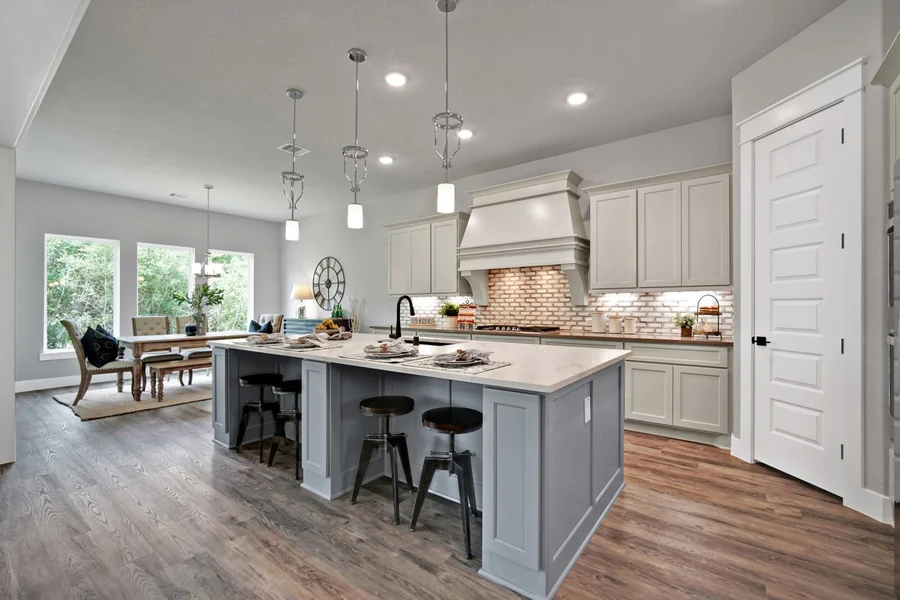
Designing a beautiful home doesn’t always require a large budget or professional interior designers. With the right planning, creativity, and a few smart tools, anyone can transform their living space into something both stylish and practical. Modern home design is no longer just about aesthetics—it’s also about functionality, comfort, and personal expression.
Whether you’re redesigning a single room or refreshing your entire home, the key is to start with a clear vision and build step by step.
1. Start With a Clear Home Design Plan
Before buying furniture or changing wall colors, it’s important to define your goal. Ask yourself:
- Do you want a cozy and warm atmosphere?
- A modern minimalist look?
- Or a vibrant and expressive space?
Creating a mood board can help you visualize your ideas. You can collect inspiration from Pinterest, Instagram, or home design websites. This step helps prevent unnecessary purchases and ensures consistency in your design choices.
2. Focus on Space Optimization
A well-designed home is not just about decoration—it’s about how space is used. Even small homes can feel spacious if arranged properly.
Here are a few practical tips:
- Use multi-functional furniture like storage beds or foldable tables
- Keep walkways open and clutter-free
- Use vertical storage such as shelves or wall-mounted cabinets
- Choose light colors to make rooms feel bigger
Smart space planning can dramatically improve both the look and usability of your home.
3. Lighting Makes a Huge Difference
Lighting plays a major role in home aesthetics. Natural light should always be maximized whenever possible. Large windows, light curtains, and mirrors can help reflect sunlight and brighten rooms.
For artificial lighting:
- Use warm lighting for bedrooms and living areas
- Use bright white lighting for kitchens and workspaces
- Add decorative lights like floor lamps or LED strips for ambiance
Good lighting can completely change the mood of a room without any structural changes.
4. Add Personal Touches Through Decor
A home should reflect your personality. Small decorative elements can make a big difference in creating a warm and inviting environment.
Some easy ideas include:
- Wall art or framed photos
- Indoor plants for freshness and color
- Decorative cushions and rugs
- Handmade or DIY decor items
Even small changes like swapping pillow covers or adding a plant corner can refresh the entire space.
5. Use Digital Tools for Better Home Planning
Today, technology makes home improvement easier than ever. Instead of relying only on imagination, you can use digital tools to preview ideas before implementation.
For example, creating visual content for your design ideas or renovation plans can help you better communicate your vision with family members or professionals. A simple tool like an easy video maker allows you to turn your home ideas, renovation steps, or mood boards into engaging visual presentations. This can be especially helpful when planning layouts or sharing design inspiration.
By combining creativity with digital tools, home design becomes more structured and enjoyable.
6. Choose a Consistent Color Palette
Color selection is one of the most important parts of home styling. A consistent palette creates harmony and makes the space feel well-organized.
Popular combinations include:
- White, beige, and wood tones for a minimalist look
- Grey, black, and metallic accents for a modern style
- Earth tones for a warm and natural feel
Avoid using too many contrasting colors in a single space, as it can make the room feel chaotic.
7. Upgrade Small Details for Big Impact
You don’t always need major renovations to improve your home. Sometimes small upgrades can create a big transformation:
- Change cabinet handles or door knobs
- Replace old curtains
- Add stylish lighting fixtures
- Use matching storage boxes for organization
These small improvements are cost-effective but highly impactful.
8. Keep Functionality a Priority
While aesthetics are important, functionality should never be ignored. A beautiful home that is uncomfortable or impractical will not feel satisfying in the long term.
Make sure:
- Furniture is comfortable and properly sized
- Storage solutions are sufficient
- Each room serves a clear purpose
- Movement within the home is easy and natural
A balance between beauty and usability creates the perfect living environment.
Conclusion
Creating a stylish home is not about following strict rules—it’s about blending creativity, functionality, and personal taste. By focusing on space optimization, lighting, decor, and smart planning tools, anyone can build a home that feels both comfortable and visually appealing.
Even small changes, when done thoughtfully, can completely transform your living space into a place you truly enjoy.
