

A memorable first impression in fine dining is rarely about one dramatic gesture. More often than not, it is the result of dozens of details working in sync before the first plate ever reaches the table. Guests notice the tone immediately, even if they cannot name every reason why it feels polished, effortless, or slightly off.
For owners, operators, and hospitality decision-makers, that matters because the first impression shapes how every part of the meal will be judged afterward. Service, pacing, food quality, and atmosphere are all filtered through those opening minutes. A fine-dining restaurant creates that impression by controlling arrival, welcome, room energy, table readiness, staff awareness, and subtle signals that tell guests they are in capable hands from the start.
The Welcome Has To Feel Precise
-
Arrival Sets Expectations Fast
The guest experience begins before anyone opens a menu. It starts at the entrance, the exterior condition, the ease of arrival, the lighting, the host stand, and the first visual read of the room. If those elements feel disorganized, cramped, or inconsistent, the restaurant begins the evening by making guests work to feel comfortable. Fine dining cannot afford that kind of friction.
A strong first impression depends on immediate clarity. Guests should know where to go, how they will be greeted, and whether the space feels composed. The entry sequence does not need to be theatrical, but it does need to feel intentional. Clean sightlines, a calm welcome, and a room that already appears under control tell guests that the restaurant values precision before a single word is spoken.
-
The Room Must Feel Ready
The first spoken interaction carries enormous weight because it confirms whether the restaurant’s standards are real or only decorative. Guests should be acknowledged quickly, addressed with confidence, and guided without confusion. A fine dining welcome is not just polite. It is composed. The staff should appear prepared for the reservation, aware of the timing, and fully in command of the room’s flow.
That is one reason high-level restaurants are often judged long before the food appears. For places operating in the same conversation as The Chef’s Table at Brooklyn Fare, the welcome cannot feel generic or improvised. It has to communicate that the guest is expected, the service team is aligned, and the experience is already underway. That level of readiness is what separates a polished arrival from a merely pleasant one.
-
Ambience Works Before Service Speaks
Guests begin forming opinions the moment they take in the room. Lighting, music, spacing, acoustics, and visual order all shape whether the space feels refined or uncertain. Fine dining rooms do not need to be extravagant to feel memorable, but they do need to feel coherent. Every visible element should support the same message about quality, pace, and care.
The strongest restaurants understand that ambiance is not background decoration. It is operational. If lighting is too harsh, noise is poorly controlled, or tables feel crowded, the room starts working against the experience. A memorable first impression comes from an environment that allows guests to settle in immediately. When the room feels balanced, guests stop scanning for problems and start trusting the experience they are about to have.
-
Table Readiness Signals Real Standards
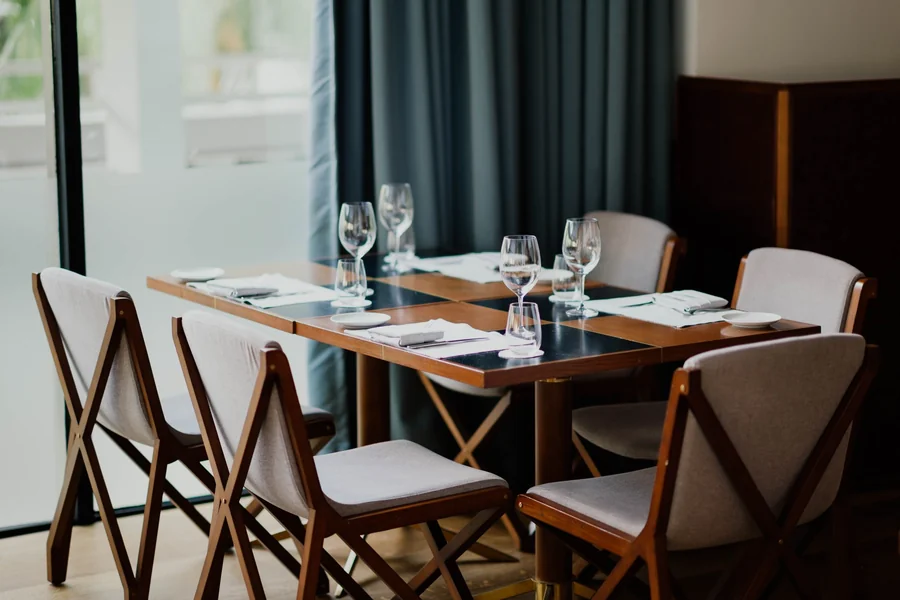
Nothing weakens a first impression faster than being seated at a table that feels incomplete. Misaligned settings, missing water glasses, overlooked crumbs, chairs placed awkwardly, or menus delivered late all create the impression that the service team is a step behind. Fine dining depends on the opposite feeling. The table should look finished before the guest reaches it.
This matters because guests read the table as evidence of the restaurant’s discipline. A well-set table communicates readiness without needing explanation. It suggests that the restaurant respects sequence, detail, and presentation at every stage. Even small lapses become disproportionately visible in fine dining because the entire concept depends on control. When the table is ready, the guest relaxes. When it is not, the guest starts noticing what else may be off.
The Experience Begins Before The Food
Many restaurants assume the first real judgment happens with the first bite. In fine dining, that is far too late. Guests begin to decide how they feel about the restaurant from the moment they arrive, and those early impressions influence how they interpret the food, wine, and service for the rest of the evening.
A fine dining restaurant creates a memorable first impression by making the opening sequence feel calm, precise, and complete. Arrival, greeting, room condition, table readiness, staff awareness, and pacing all have to reinforce the same message: this experience is being handled with care. When those elements are aligned, guests feel confident before the first course appears, and that confidence becomes the foundation for everything that follows.
