

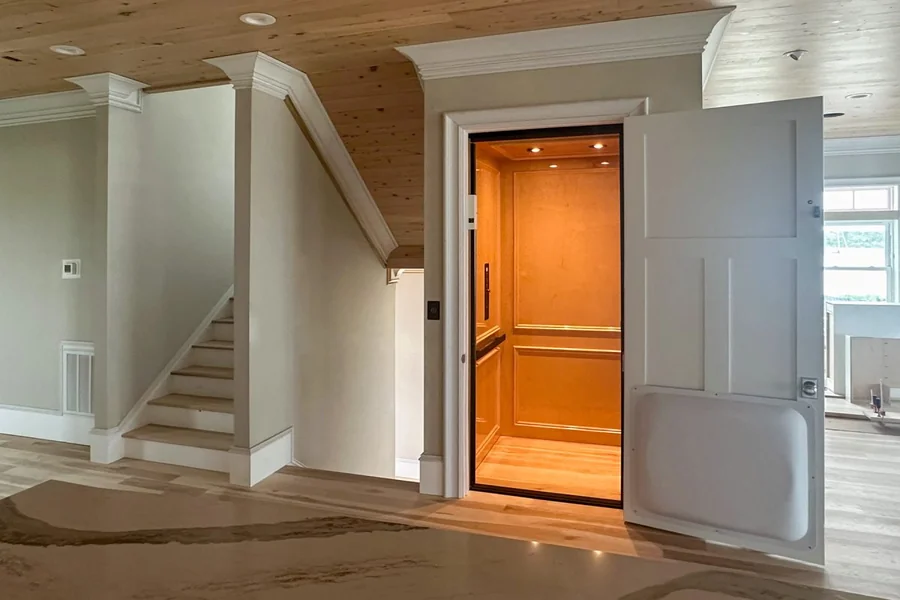
The introduction of an elevator in a house was once considered luxury to big estates or business premises only. In contemporary homes, it is increasingly being used particularly due to convenience. Questions like how much does a home elevator cost may not be a one-size-fits-all question. Prices are highly differentiated based on the type or size or installation needs, and other features. Being informed about them will assist you in coming with a smart and practical decision.
Knowing the Average Cost of a Home Elevator
The cost of a home elevator typically ranges from $20,000 to $100,000 or more. An average installation costs more or less between 30000 and 60000 among most homeowners. This range will be composed of both the installation process and the elevator unit.
Accommodating less expensive models could be basic vertical platform lifts or other compact elevators, which are valued about $20,000 to $30,000. Conversely, luxury lifts with luxurious finishing, intelligent and technical facilities are priced higher than $100,000.
It’s important to remember that the price isn’t just about the elevator itself. The final cost can be very much affected by the complexity of the installation, design of the house and its alterations.
Home Elevators and the differences in pricing
Not all home elevators are the same. The kind of type you use contributes significantly towards the total cost.
The most common types are the hydraulic elevators. They are silent, smooth and stable but get costly as the machinery is involved. These usually cost between $30,000 and $70,000.
Traction lifts employ counterweight system, which consumes less energy. Most of them do not go above or below the 40,000 to 80,000 price mark, and they are reputed to be durable.
Modern elevators are pneumatic or vacuum and space saving. They do not need a machine room and this can minimise installation complexity. These typically cost between $35,000 and $60,000.
Shaftless lifts can be used in small houses or conversions. They tend to be less expensive, with the lowest customized model typically costing about $20,000 and the highest about $50,000.
Both types come with advantages and disadvantages and the decision should be made based on your budget and the amount of space required and long-term need.
Installation Cost and Structural considerations
One of the costliest activities of incorporating a home elevator is installation. The price will be much less in case your home is already planned to have an elevator. Nevertheless, the majority of houses need alterations.
Any structural modifications including cutting through floors, strengthening of walls and the provision of a shaft may cost you an additional amount of $10,000 to $40,000. Other electrical upgrades, permits can also be associated with higher costs.
In the case of new construction homes, furring an elevator is sometimes more economical since such a design can accommodate an elevator during construction. It is more complicated and expensive to retrofit an elevator into an existing house.
The costs of labor also differ with where you are located and the complexity of the project. It is necessary to hire the people with experience to make sure that everything is safe and what meets the local building codes.
Other Possible Features that influence Pricing
Customization can quickly increase the price of a home elevator. Although a simple model could satisfy the functional requirements, most of the home owners opt to add comfort and style features.
Interior finish: This can increase the price considerably on the interior finishes, e.g., wood paneling, glass walls, or custom lighting. The price is also increased with advanced control systems, touchscreens and integration with smart house.
Additions or upgrades: Higher-end models may come with safety features such as backup power, emergency communication, and automatic doors, or it may be optional.
Size also counts as well as weight capacity. The bigger lifts needed by more than one person to move or deliver large items will be more expensive than smaller ones.
Even minor items such as flooring, handrails and door styles may affect the final price.
Maintenance- Long-term Cost
The first installation is just a portion of the investment. When computing the total cost, maintenance and operating costs should be put into consideration.
Maintenance cost is between 300-1000 a year. This entails inspection, lubrication as well as minor repairs in order to ensure that the elevator runs well.
There is usually low use of electricity particularly among modern lifts, which are developed to be energy-saving. Nevertheless, hydraulic systems can be more power-hungry as compared to other types.
The methods of repair may be different in accordance with the problem. Minor repairs can cost in the thousands of dollars whereas major component repairs can be in the thousands.
A budget allocation on such recurrent expenditures is necessary so that you can have a secure and dependable elevator even after some years.
Worth the Cost of a Home Elevator?
Home elevator means more than a home convenience to most homeowners; it represents a guarantee of comfort, ease of access, and real estate value in the long run.
Have you chosen to live your life in the same home as you grow old, having an elevator can help keep your home more accommodating and lessen the necessity to do any future renovations. It is also a beauty to its prospective consumers, particularly in multi-story houses.
When families have mobility issues like those where the elderly are involved, lifts can be considered important in their daily lives. It becomes so much easier to carry goods across floors (groceries, laundry, or weight).
Although the initial cost might be expensive, the payback can be greater, in any case, when it makes life and homes usable.
Final Thought
So, how much does a home elevator cost? The solution lies in various variables such as the kind of lift, installation aspects, and personalizations. Prices may vary widely, and by knowing what determines the cost, you plan better, and won’t be surprised.
The cost of a home elevator is a big investment, yet to many it is an effective addition that provides value as well as convenience. By taking time and analysing your needs and budget you will make the right choice on what solution to use on your home.
FAQs
How much does a small home elevator cost?
A small or compact home elevator typically costs between $20,000 and $35,000, depending on the model and installation requirements.
Can I install a home elevator in an existing house?
Yes, but it may require structural modifications, which can increase the total cost significantly compared to new construction.
How long does it take to install a home elevator?
Installation usually takes between 2 to 6 weeks, depending on the complexity of the project and the type of elevator.
Do home elevators increase property value?
Yes, in many cases they do. They make homes more accessible and appealing, especially for buyers looking for long-term living solutions.
Are home elevators safe?
Modern home elevators come with multiple safety features, including emergency brakes, backup power, and alarm systems, making them very safe when properly maintained.
